Buy datawarehouse.eu ?
We are moving the project
datawarehouse.eu .
Are you interested in purchasing the domain
datawarehouse.eu ?
domain@kv-gmbh.de · 0541-91531010
Buy datawarehouse.eu ?
Why can't the clutch pedal be pressed?
The clutch pedal cannot be pressed because it is likely that the clutch system is engaged, meaning the clutch is currently in use and pressing the pedal could disrupt the operation of the clutch. Additionally, pressing the clutch pedal while the vehicle is in gear and moving could cause the transmission to disengage abruptly, leading to potential damage to the transmission or drivetrain. It is important to only press the clutch pedal when shifting gears or coming to a complete stop. **
What is the clutch pedal used for?
The clutch pedal is used in manual transmission vehicles to disengage the engine from the transmission, allowing the driver to change gears. When the clutch pedal is pressed, the clutch is disengaged, and the driver can shift gears without causing damage to the transmission. Releasing the clutch pedal gradually re-engages the engine with the transmission, allowing the vehicle to move forward. **
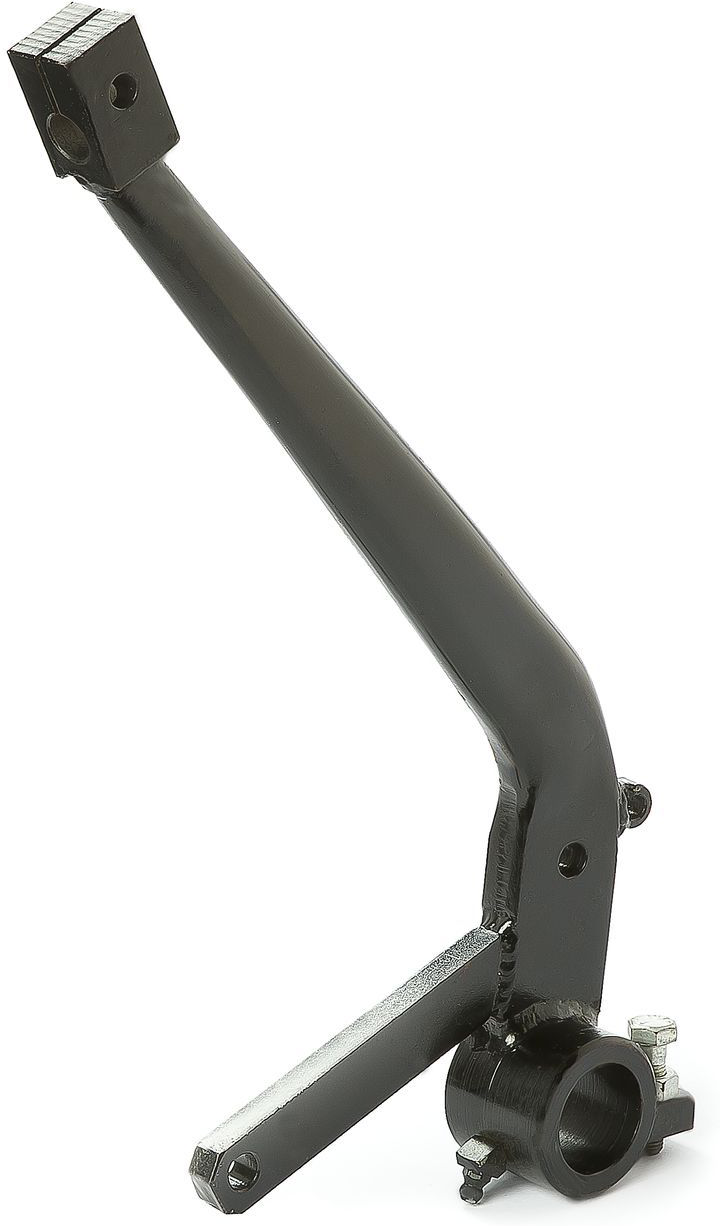
Similar search terms for STC-T404554-Clutch-Pedal
Top-Angebote
Products related to STC-T404554-Clutch-Pedal:
-
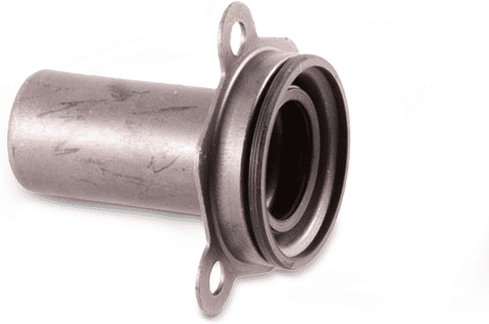
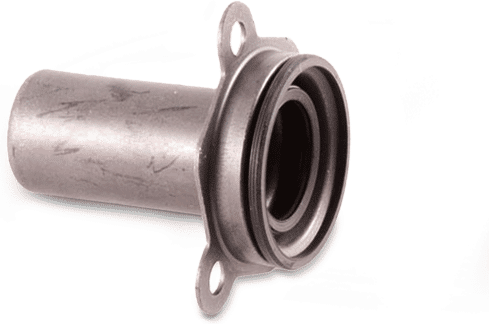
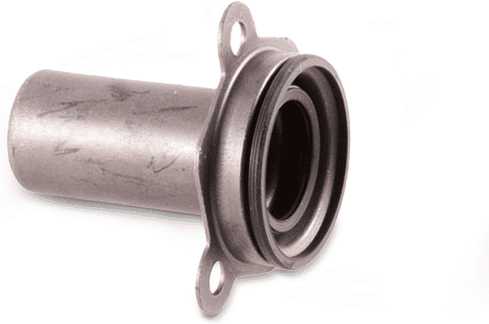
STC T404605 Guide Tube, clutchThickness: 64,5; Weight [kg]: 0,14; Material: ACM (Polyacrylate); Inner Diameter [mm]: 23; Weight [g]: 140; Outer Diameter 1 [mm]: 47; Outer Diameter 2 [mm]: 72,5; Transmission Code: BE3, BE3R, BE3-5, BE3+K23808, BE4N, BE4L; Transmission number from: 4226113, 4266113; Transmission Number to: 883100013,49 £*Shipping: 8,45 £Secure redirect to the provider


-
How does the clutch pedal suddenly come back?
The clutch pedal can suddenly come back if there is a problem with the clutch hydraulic system. This could be due to a leak in the clutch master cylinder or slave cylinder, causing a loss of hydraulic pressure. When the pressure drops, the clutch pedal may not stay engaged and can spring back suddenly. It is important to address this issue promptly as driving with a faulty clutch hydraulic system can lead to further damage and safety concerns. **
-
Why do race cars have a clutch pedal?
Race cars have a clutch pedal to allow the driver to disengage the engine from the transmission quickly and smoothly during gear changes. This is crucial for maintaining control and maximizing acceleration on the track. The clutch pedal enables the driver to shift gears efficiently without causing damage to the transmission or engine, ultimately improving the car's performance during races. **
-
Why does the clutch pedal occasionally get stuck?
The clutch pedal can occasionally get stuck due to a few reasons. One common reason is a lack of lubrication in the clutch linkage or pivot points, causing the pedal to not move smoothly. Another reason could be a worn-out or damaged clutch cable or hydraulic system, which can prevent the pedal from disengaging the clutch properly. Additionally, debris or dirt buildup in the clutch pedal assembly can also cause it to get stuck. Regular maintenance and inspection of the clutch system can help prevent these issues. **
-
Why does the clutch pedal vibrate in the car?
The clutch pedal in a car may vibrate due to several reasons. One common cause is a worn-out or damaged clutch disc, which can create vibrations when engaging or disengaging the clutch. Another reason could be a misaligned or imbalanced clutch pressure plate, causing the pedal to vibrate during operation. Additionally, a faulty release bearing or a problem with the clutch hydraulic system can also lead to vibrations in the clutch pedal. It is important to have the issue diagnosed and repaired by a qualified mechanic to ensure safe and smooth operation of the clutch system. **


Can I build a clutch pedal from an old controller?
Yes, it is possible to build a clutch pedal from an old controller, but it would require some technical skills and knowledge of electronics. You would need to disassemble the controller, identify the components that can be repurposed for the clutch pedal, and then connect them to create a functional pedal. Additionally, you may need to program or calibrate the controller to work effectively as a clutch pedal for your specific use case. **
Does a car with paddle shifters have a clutch pedal?
No, a car with paddle shifters does not have a clutch pedal. Paddle shifters allow the driver to manually shift gears without the need for a clutch pedal. Instead, the car's transmission system is designed to automatically engage and disengage the clutch when using the paddle shifters to change gears. This allows for a more convenient and sporty driving experience without the need to manually operate a clutch pedal. **
Top-Angebote
Products related to STC-T404554-Clutch-Pedal:
-
STC T404424 Guide Tube, clutchThickness: 57,5; Length [mm]: 57; Weight [kg]: 0,04; Inner Diameter [mm]: 22,0, 24; Weight [g]: 40; Outer Diameter 1 [mm]: 39,5; Outer Diameter 2 [mm]: 57; Transmission Type: Manual Transmission; Engine Code: TU3M, TU3FM, 150C, TU3MC, TU3JP, KDZ, XU7JP, XU5JP, XUD9A, TU1JP, 150B, SA18, W10, EW10A, DV6B, DV6ATED4, EP6, 01354A, EP3C, DV6DTED, EP6FDTX, EP6FDT, 150J, 150Y, DV6FD, EB2F, EB2DT; Construction Year to: 07/200411,49 £*Shipping: 8,45 £Secure redirect to the provider
-
STC T404605 Guide Tube, clutchThickness: 64,5; Weight [kg]: 0,14; Material: ACM (Polyacrylate); Inner Diameter [mm]: 23; Weight [g]: 140; Outer Diameter 1 [mm]: 47; Outer Diameter 2 [mm]: 72,5; Transmission Code: BE3, BE3R, BE3-5, BE3+K23808, BE4N, BE4L; Transmission number from: 4226113, 4266113; Transmission Number to: 883100013,49 £*Shipping: 8,45 £Secure redirect to the provider
-
Why can't the clutch pedal be pressed?
The clutch pedal cannot be pressed because it is likely that the clutch system is engaged, meaning the clutch is currently in use and pressing the pedal could disrupt the operation of the clutch. Additionally, pressing the clutch pedal while the vehicle is in gear and moving could cause the transmission to disengage abruptly, leading to potential damage to the transmission or drivetrain. It is important to only press the clutch pedal when shifting gears or coming to a complete stop. **
-
What is the clutch pedal used for?
The clutch pedal is used in manual transmission vehicles to disengage the engine from the transmission, allowing the driver to change gears. When the clutch pedal is pressed, the clutch is disengaged, and the driver can shift gears without causing damage to the transmission. Releasing the clutch pedal gradually re-engages the engine with the transmission, allowing the vehicle to move forward. **
-
How does the clutch pedal suddenly come back?
The clutch pedal can suddenly come back if there is a problem with the clutch hydraulic system. This could be due to a leak in the clutch master cylinder or slave cylinder, causing a loss of hydraulic pressure. When the pressure drops, the clutch pedal may not stay engaged and can spring back suddenly. It is important to address this issue promptly as driving with a faulty clutch hydraulic system can lead to further damage and safety concerns. **
-
Why do race cars have a clutch pedal?
Race cars have a clutch pedal to allow the driver to disengage the engine from the transmission quickly and smoothly during gear changes. This is crucial for maintaining control and maximizing acceleration on the track. The clutch pedal enables the driver to shift gears efficiently without causing damage to the transmission or engine, ultimately improving the car's performance during races. **
Similar search terms for STC-T404554-Clutch-Pedal
-
Why does the clutch pedal occasionally get stuck?
The clutch pedal can occasionally get stuck due to a few reasons. One common reason is a lack of lubrication in the clutch linkage or pivot points, causing the pedal to not move smoothly. Another reason could be a worn-out or damaged clutch cable or hydraulic system, which can prevent the pedal from disengaging the clutch properly. Additionally, debris or dirt buildup in the clutch pedal assembly can also cause it to get stuck. Regular maintenance and inspection of the clutch system can help prevent these issues. **
-
Why does the clutch pedal vibrate in the car?
The clutch pedal in a car may vibrate due to several reasons. One common cause is a worn-out or damaged clutch disc, which can create vibrations when engaging or disengaging the clutch. Another reason could be a misaligned or imbalanced clutch pressure plate, causing the pedal to vibrate during operation. Additionally, a faulty release bearing or a problem with the clutch hydraulic system can also lead to vibrations in the clutch pedal. It is important to have the issue diagnosed and repaired by a qualified mechanic to ensure safe and smooth operation of the clutch system. **
-
Can I build a clutch pedal from an old controller?
Yes, it is possible to build a clutch pedal from an old controller, but it would require some technical skills and knowledge of electronics. You would need to disassemble the controller, identify the components that can be repurposed for the clutch pedal, and then connect them to create a functional pedal. Additionally, you may need to program or calibrate the controller to work effectively as a clutch pedal for your specific use case. **
-
Does a car with paddle shifters have a clutch pedal?
No, a car with paddle shifters does not have a clutch pedal. Paddle shifters allow the driver to manually shift gears without the need for a clutch pedal. Instead, the car's transmission system is designed to automatically engage and disengage the clutch when using the paddle shifters to change gears. This allows for a more convenient and sporty driving experience without the need to manually operate a clutch pedal. **
* All prices are inclusive of VAT and, if applicable, plus shipping costs. The offer information is based on the details provided by the respective shop and is updated through automated processes. Real-time updates do not occur, so deviations can occur in individual cases. ** Note: Parts of this content were created by AI.