Buy datawarehouse.eu ?
We are moving the project
datawarehouse.eu .
Are you interested in purchasing the domain
datawarehouse.eu ?
domain@kv-gmbh.de · 0541-91531010
Buy datawarehouse.eu ?
'Salts or molecules?'
Salts are compounds formed from the reaction of an acid and a base, while molecules are made up of atoms bonded together. Salts are ionic compounds, meaning they are made up of ions, while molecules can be either ionic or covalent compounds. Salts have a specific crystalline structure and are often soluble in water, while molecules can have a wide range of physical properties and solubilities. Overall, salts and molecules are distinct types of chemical compounds with different structures and properties. **
Which of the following molecules are dipole molecules and why?
Molecules that have a dipole moment are considered dipole molecules. A dipole moment occurs when there is an uneven distribution of electron density within a molecule, resulting in a partial positive and partial negative charge. For example, molecules like water (H2O) and ammonia (NH3) are dipole molecules because of their polar covalent bonds, which create a separation of charge within the molecule. On the other hand, molecules like carbon dioxide (CO2) and methane (CH4) are nonpolar and do not have a dipole moment because the electronegativity of the atoms cancel each other out, resulting in a symmetrical distribution of charge. **


Similar search terms for Molecules
Top-Angebote
Products related to Molecules:
-
APC NetShelter Cable Management, Data Cable Partition, Pass Through, Black, 747 x 122 x 72 mm"The pass-through Partition allows overhead routing of networking cables on top of the NetShelter enclosures and 4-post racks" "Two Partitions attach without tools to the roof in a variety of depths" "The pass-through Partition is designed with a cable access hole to facilitate routing cables" "Each partition ships with ground studs and one 8 inch/203mm grounding strap"136,49 £*Shipping: 0,00 £Secure redirect to the provider
-
APC NetShelter Cable Management, Data Cable Ladder, with Ladder Attachment Kit, Black, 152 x 3023 x 51 mmThe APC NetShelter Cable Manager is a data cable ladder with a ladder attachment kit, designed for organizing power or data cables within a rack or enclosure. This black cable ladder includes hardware for parallel or perpendicular runs, grounding straps, ground clamps, and brackets. The product comes with a two-year repair or replace warranty.327,49 £*Shipping: 0,00 £Secure redirect to the provider
-
Harvard Business Review Press Harvard Business Review HBR’s 10 Must Reads 5 Book Collection Set – Essential Business, Leadership & Management GuidesHBR's 10 Must Reads 5 Books Collection Set Description On Emotional Intelligence If you read nothing else on emotional intelligence; read these 10 articles by experts in the field. We euro; ve combed through hundreds of articles in the Harvard Business Review archive and selected the most important ones to help you boost your emotional skills euro; and your professional success. Mental Toughness If you read nothing else on mental toughness; read these ten articles by experts in the field. We've combed through hundreds of articles in the Harvard Business Review archive and selected the most important ones to help you build your emotional strength and resilience--and to achieve high performance. The Essentials Change is the one constant in business; and we must adapt or face obsolescence. Yet certain challenges never go away. That's what makes this book 'must read.' These are the 10 seminal articles by management's most influential experts; on topics of perennial concern to ambitious managers and leaders hungry for inspiration--and ready to run with big ideas to accelerate their own and their companies' success. Change Management If you read nothing else on change management; read these 10 articles (featuring 'Leading Change; euro; by John P. Kotter). We've combed through hundreds of Harvard Business Review articles and selected the most important ones to help you spearhead change in your organization. Strategy If you read nothing else on strategy; read these 10 articles (featuring 'What Is Strategy? euro; by Michael E. Porter). We've combed through hundreds of Harvard Business Review articles and selected the most important ones to help you catalyze your organization's strategy development and execution.37,98 £*Shipping: 0,00 £Secure redirect to the provider
-
Uplifted Finds Cartoon Big Eye Hub And High Fidelity Canine Engagement Architecture yellowCommand ultimate petownership confidence with this Cartoon Big Eye Ball Dog Toy, a stabilization solution specifically engineered to act as a comprehensive tool for elite organization and superior technical ergonomics. Built with a robust reinforced...39,97 $*Shipping: 0,00 $Secure redirect to the provider




-
What is the difference between compound molecules and element molecules?
Compound molecules are made up of two or more different elements chemically bonded together, such as water (H2O) or carbon dioxide (CO2). Element molecules, on the other hand, are made up of two or more atoms of the same element bonded together, such as oxygen (O2) or nitrogen (N2). In compound molecules, the atoms are different, while in element molecules, the atoms are the same. **
-
Why do heptan-1-ol molecules and water molecules not mix?
Heptan-1-ol molecules and water molecules do not mix well because heptan-1-ol is a nonpolar molecule, while water is a polar molecule. Nonpolar molecules are not attracted to polar molecules, so they do not easily mix. Additionally, heptan-1-ol is hydrophobic, meaning it repels water, further preventing the two substances from mixing. This is due to the difference in the polarity and intermolecular forces between the two substances. **
-
Why are water molecules permanent dipoles and carbon dioxide molecules not?
Water molecules are permanent dipoles because they have a bent molecular shape with unequal sharing of electrons between the oxygen and hydrogen atoms. This results in a partial negative charge on the oxygen atom and partial positive charges on the hydrogen atoms, creating a permanent dipole moment. On the other hand, carbon dioxide molecules are not permanent dipoles because they have a linear molecular shape with symmetrical distribution of the two oxygen atoms and the carbon atom. This results in equal sharing of electrons and no permanent dipole moment. **
-
How are molecules recognized?
Molecules are recognized through specific interactions between their chemical structures and complementary binding sites on other molecules. This recognition process involves the formation of non-covalent bonds such as hydrogen bonds, van der Waals forces, and electrostatic interactions. The shape, size, and charge distribution of molecules play a crucial role in determining their recognition by other molecules. Additionally, specific functional groups and chemical properties can also contribute to the recognition process. **

How are molecules formed?
Molecules are formed through chemical bonding between atoms. Atoms can either share electrons to form covalent bonds or transfer electrons to form ionic bonds. The type of bonding that occurs depends on the elements involved and their tendency to gain, lose, or share electrons. Once atoms are bonded together, they form a stable structure known as a molecule. **
Search for dipole molecules.
Dipole molecules are molecules that have a separation of positive and negative charges within the molecule. This separation creates a dipole moment, which results in the molecule having a positive end and a negative end. Examples of dipole molecules include water (H2O), hydrogen chloride (HCl), and ammonia (NH3). These molecules are important in various chemical reactions and interactions due to their polar nature. **
Top-Angebote
Products related to Molecules:
-
Nonin Medical nVision Data Management Software for Oximetry Screening""" nVision SpO2 Data Management Software Nonin's innovation in pulse oximetry has led to the development of an easy oximetry reporting solution nVISION. Designed to provide effortless viewing, professional analysis, report generation and reliable..."441,00 $*Shipping: 0,00 $Secure redirect to the provider
-
APC NetShelter Cable Management, Data Cable Partition, Black, 747 x 122 x 72 mm"The solid Partition allows overhead routing of networking cables on top of the NetShelter enclosures and 4-post racks" "Two partitions attach without tools to the roof in a variety of depths" "The solid partition is designed to be mounted in the front for a clean look" "Each partition ships with ground studs and one 8 inch/203mm grounding strap"133,49 £*Shipping: 0,00 £Secure redirect to the provider
-
APC NetShelter Cable Management, Data Cable Partition, Pass Through, Black, 747 x 122 x 72 mm"The pass-through Partition allows overhead routing of networking cables on top of the NetShelter enclosures and 4-post racks" "Two Partitions attach without tools to the roof in a variety of depths" "The pass-through Partition is designed with a cable access hole to facilitate routing cables" "Each partition ships with ground studs and one 8 inch/203mm grounding strap"136,49 £*Shipping: 0,00 £Secure redirect to the provider
-
APC NetShelter Cable Management, Data Cable Ladder, with Ladder Attachment Kit, Black, 152 x 3023 x 51 mmThe APC NetShelter Cable Manager is a data cable ladder with a ladder attachment kit, designed for organizing power or data cables within a rack or enclosure. This black cable ladder includes hardware for parallel or perpendicular runs, grounding straps, ground clamps, and brackets. The product comes with a two-year repair or replace warranty.327,49 £*Shipping: 0,00 £Secure redirect to the provider
-
'Salts or molecules?'
Salts are compounds formed from the reaction of an acid and a base, while molecules are made up of atoms bonded together. Salts are ionic compounds, meaning they are made up of ions, while molecules can be either ionic or covalent compounds. Salts have a specific crystalline structure and are often soluble in water, while molecules can have a wide range of physical properties and solubilities. Overall, salts and molecules are distinct types of chemical compounds with different structures and properties. **
-
Which of the following molecules are dipole molecules and why?
Molecules that have a dipole moment are considered dipole molecules. A dipole moment occurs when there is an uneven distribution of electron density within a molecule, resulting in a partial positive and partial negative charge. For example, molecules like water (H2O) and ammonia (NH3) are dipole molecules because of their polar covalent bonds, which create a separation of charge within the molecule. On the other hand, molecules like carbon dioxide (CO2) and methane (CH4) are nonpolar and do not have a dipole moment because the electronegativity of the atoms cancel each other out, resulting in a symmetrical distribution of charge. **
-
What is the difference between compound molecules and element molecules?
Compound molecules are made up of two or more different elements chemically bonded together, such as water (H2O) or carbon dioxide (CO2). Element molecules, on the other hand, are made up of two or more atoms of the same element bonded together, such as oxygen (O2) or nitrogen (N2). In compound molecules, the atoms are different, while in element molecules, the atoms are the same. **
-
Why do heptan-1-ol molecules and water molecules not mix?
Heptan-1-ol molecules and water molecules do not mix well because heptan-1-ol is a nonpolar molecule, while water is a polar molecule. Nonpolar molecules are not attracted to polar molecules, so they do not easily mix. Additionally, heptan-1-ol is hydrophobic, meaning it repels water, further preventing the two substances from mixing. This is due to the difference in the polarity and intermolecular forces between the two substances. **
Similar search terms for Molecules
-
Harvard Business Review Press Harvard Business Review HBR’s 10 Must Reads 5 Book Collection Set – Essential Business, Leadership & Management GuidesHBR's 10 Must Reads 5 Books Collection Set Description On Emotional Intelligence If you read nothing else on emotional intelligence; read these 10 articles by experts in the field. We euro; ve combed through hundreds of articles in the Harvard Business Review archive and selected the most important ones to help you boost your emotional skills euro; and your professional success. Mental Toughness If you read nothing else on mental toughness; read these ten articles by experts in the field. We've combed through hundreds of articles in the Harvard Business Review archive and selected the most important ones to help you build your emotional strength and resilience--and to achieve high performance. The Essentials Change is the one constant in business; and we must adapt or face obsolescence. Yet certain challenges never go away. That's what makes this book 'must read.' These are the 10 seminal articles by management's most influential experts; on topics of perennial concern to ambitious managers and leaders hungry for inspiration--and ready to run with big ideas to accelerate their own and their companies' success. Change Management If you read nothing else on change management; read these 10 articles (featuring 'Leading Change; euro; by John P. Kotter). We've combed through hundreds of Harvard Business Review articles and selected the most important ones to help you spearhead change in your organization. Strategy If you read nothing else on strategy; read these 10 articles (featuring 'What Is Strategy? euro; by Michael E. Porter). We've combed through hundreds of Harvard Business Review articles and selected the most important ones to help you catalyze your organization's strategy development and execution.37,98 £*Shipping: 0,00 £Secure redirect to the provider
-
Uplifted Finds Cartoon Big Eye Hub And High Fidelity Canine Engagement Architecture yellowCommand ultimate petownership confidence with this Cartoon Big Eye Ball Dog Toy, a stabilization solution specifically engineered to act as a comprehensive tool for elite organization and superior technical ergonomics. Built with a robust reinforced...39,97 $*Shipping: 0,00 $Secure redirect to the provider
-
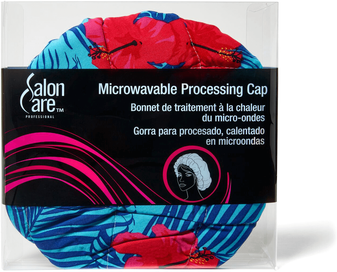
Salon Care Microwavable Heat Processing CapSalon Care Microwavable Heat Processing Cap just needs to be heated in the microwave, no cord, no fuss! The filling is 100% flaxseed and will hold heat for up to 30 minutes. The cap is reusable time and time again. Use with any hair treatment that...21,99 $*Shipping: 0,00 $Secure redirect to the provider
-
United Charger & Smartwatch Data Cable Replacement Charger & Smartwatch Data Cable ReplacementKeep your Garmin 920XT charger ready whenever adventure calls. Designed for athletes, runners, and fitness enthusiasts, this replacement charger ensures your Forerunner 920XT stays powered and connected. Its durable smartwatch charging cable offers...39,97 $*Shipping: 0,00 $Secure redirect to the provider
-
Why are water molecules permanent dipoles and carbon dioxide molecules not?
Water molecules are permanent dipoles because they have a bent molecular shape with unequal sharing of electrons between the oxygen and hydrogen atoms. This results in a partial negative charge on the oxygen atom and partial positive charges on the hydrogen atoms, creating a permanent dipole moment. On the other hand, carbon dioxide molecules are not permanent dipoles because they have a linear molecular shape with symmetrical distribution of the two oxygen atoms and the carbon atom. This results in equal sharing of electrons and no permanent dipole moment. **
-
How are molecules recognized?
Molecules are recognized through specific interactions between their chemical structures and complementary binding sites on other molecules. This recognition process involves the formation of non-covalent bonds such as hydrogen bonds, van der Waals forces, and electrostatic interactions. The shape, size, and charge distribution of molecules play a crucial role in determining their recognition by other molecules. Additionally, specific functional groups and chemical properties can also contribute to the recognition process. **
-
How are molecules formed?
Molecules are formed through chemical bonding between atoms. Atoms can either share electrons to form covalent bonds or transfer electrons to form ionic bonds. The type of bonding that occurs depends on the elements involved and their tendency to gain, lose, or share electrons. Once atoms are bonded together, they form a stable structure known as a molecule. **
-
Search for dipole molecules.
Dipole molecules are molecules that have a separation of positive and negative charges within the molecule. This separation creates a dipole moment, which results in the molecule having a positive end and a negative end. Examples of dipole molecules include water (H2O), hydrogen chloride (HCl), and ammonia (NH3). These molecules are important in various chemical reactions and interactions due to their polar nature. **
* All prices are inclusive of VAT and, if applicable, plus shipping costs. The offer information is based on the details provided by the respective shop and is updated through automated processes. Real-time updates do not occur, so deviations can occur in individual cases. ** Note: Parts of this content were created by AI.